Tatarstan tests grain products for GMOs
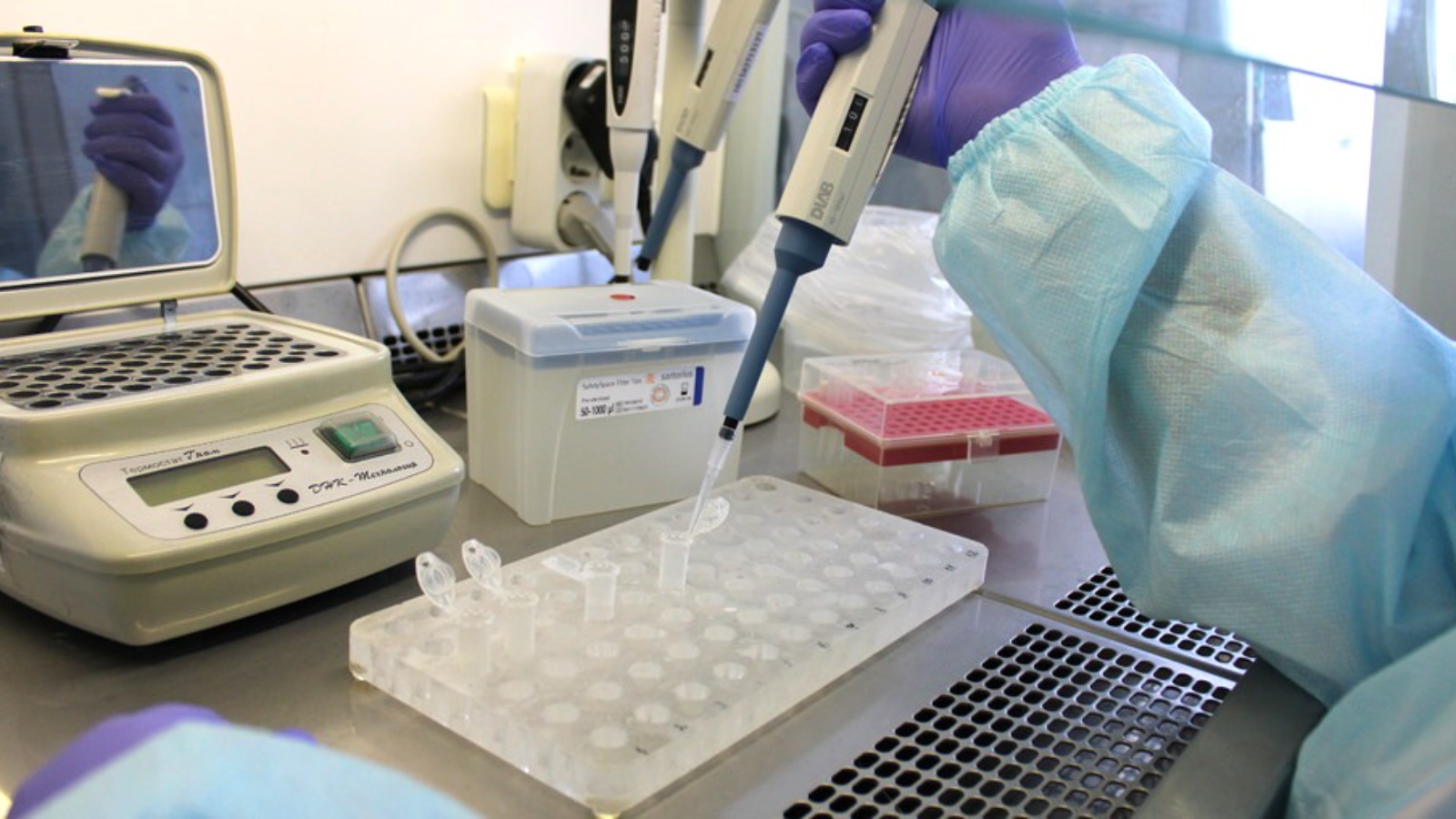
From the start of the harvest (July 15) to early October of this year, specialists at the Tatarstan branch of the Federal State Budgetary Institution "TsOK AIC" have conducted over 1,000 tests of agricultural products, including grain and its processed products, for the presence of genetically modified organisms (GMOs), which is 1.4 times higher than the results for the same period last year.
In particular, the branch laboratory analyzed over 617,000 tons of grain products for GMOs.
The tests were conducted using polymerase chain reaction (PCR) with real-time fluorescent detection of amplification products. Experts analyzed samples of wheat, barley, peas, corn, oilseed radish, camelina, sainfoin, malt, semolina and buckwheat, wheat and rye flour, and other grains.
"During the testing of the new crop, no genetically modified organisms unregistered in Russia were detected," reported Yulia Shafikova, Deputy Head of the Testing Laboratory at the Branch of the Federal State Budgetary Institution "TsOK AIC" in the Republic of Tatarstan.
The content of GMOs in grain products is regulated by the Customs Union's technical regulation TR CU 015/2011 "On Grain Safety," which allows no more than 0.9% of unregistered GMO lines.