In Tatarstan, 50% of the sugar beet area has been harvested with 1,290,000 tons harvest, with an average yield of 475 centners per hectare.
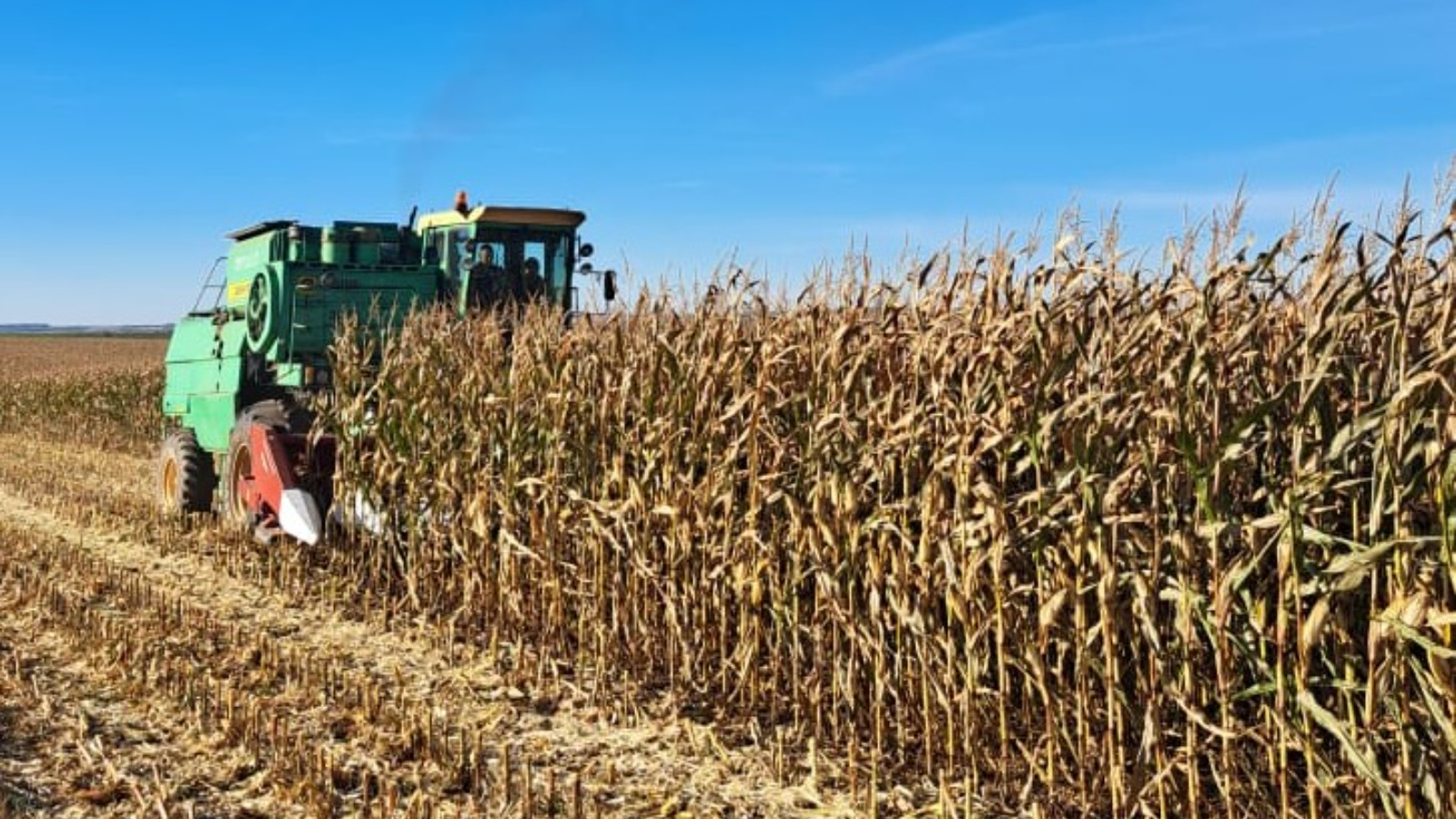
Agricultural harvesting continues in the Republic of Tatarstan. The area to be harvested is 380,000 hectares. Significant volumes of sunflowers are expected at 205,000 hectares, and corn at 90,000 hectares. These figures were presented today at a meeting at the Government House of the Republic of Tatarstan by Deputy Prime Minister and Minister of Agriculture and Food of the Republic of Tatarstan Marat Zyabbarov.
Rustam Minnikhanov, Rais of Tatarstan, held a videoconference meeting with all municipal districts of the republic.
The sugar beet harvest also continues in the republic. To date, 27,000 hectares of land, or 50% of the planned area, have been excavated, yielding 1,290,000 tons with an average yield of 475 centners per hectare. Sugar factories have harvested 458,000 tons, processed 390,000 tons of raw materials, and produced over 50,000 tons of sugar.
In parallel with harvesting and forage preparation, primary tillage continues. To date, 1,051,000 hectares, or 67% of the planned area, have been cultivated, including 400,000 hectares with deepening of the arable layer. Approximately 1,100 units are engaged in autumn tillage, cultivating over 28,000 hectares daily.
The head of the Ministry of Agriculture of the Republic of Tatarstan then reported on forage preparation. To date, 33.3 centners of corn per head have been harvested in the republic, which is 83% of the plan.
The silage corn harvest continues. Of the 125,000 hectares of land, 72,700 hectares, or 58% of the planned volume, have been harvested. 2,232,000 tons of silage have been harvested, 60% of the plan. Corn harvesting is progressing well in the Drozhzhanovsky, Baltasinsky, Buinsky, and Laishevsky districts, where over 80% of the area has been harvested.
The minister announced that 711 million rubles have been allocated to support private farms in 2025 across five areas, with an increase of 264 million rubles compared to last year. Thanks to the support of Rais of Tatarstan Rustam Minnikhanov, dairy herd maintenance subsidies have been increased to 6,300 rubles per cow. Up to 1,000 rubles per goat; up to 1 million rubles for the construction of mini-farms; and up to 80,000 and 90,000 rubles per head for the purchase of commercial and breeding heifers and first-calf heifers, respectively.
Starting in 2025, the requirements for receiving subsidies have become more stringent, requiring mandatory proof of expenses for reimbursement. To date, 440 million rubles, or 62% of the limit, have been distributed to rural residents; 26,882 private farms received subsidies following the first stage of selection. The main focus of support is dairy herd management, for which 534 million rubles have been allocated. 19,000 applications were received, totaling 347 million rubles, of which 2,000 were denied. The main reason for the denial was the lack of documentation confirming expenses.
Marat Zyabbarov noted the excellent work done in submitting applications in the Atninsky, Apastovsky, Arsky, Alekseevsky, Rybno-Slobodsky, Tetyushsky, and Tyulyachinsky districts, where subsidies were received for 70 percent or more of the existing cow population.