What is soil fatigue, and how to prevent depletion of the garden soil
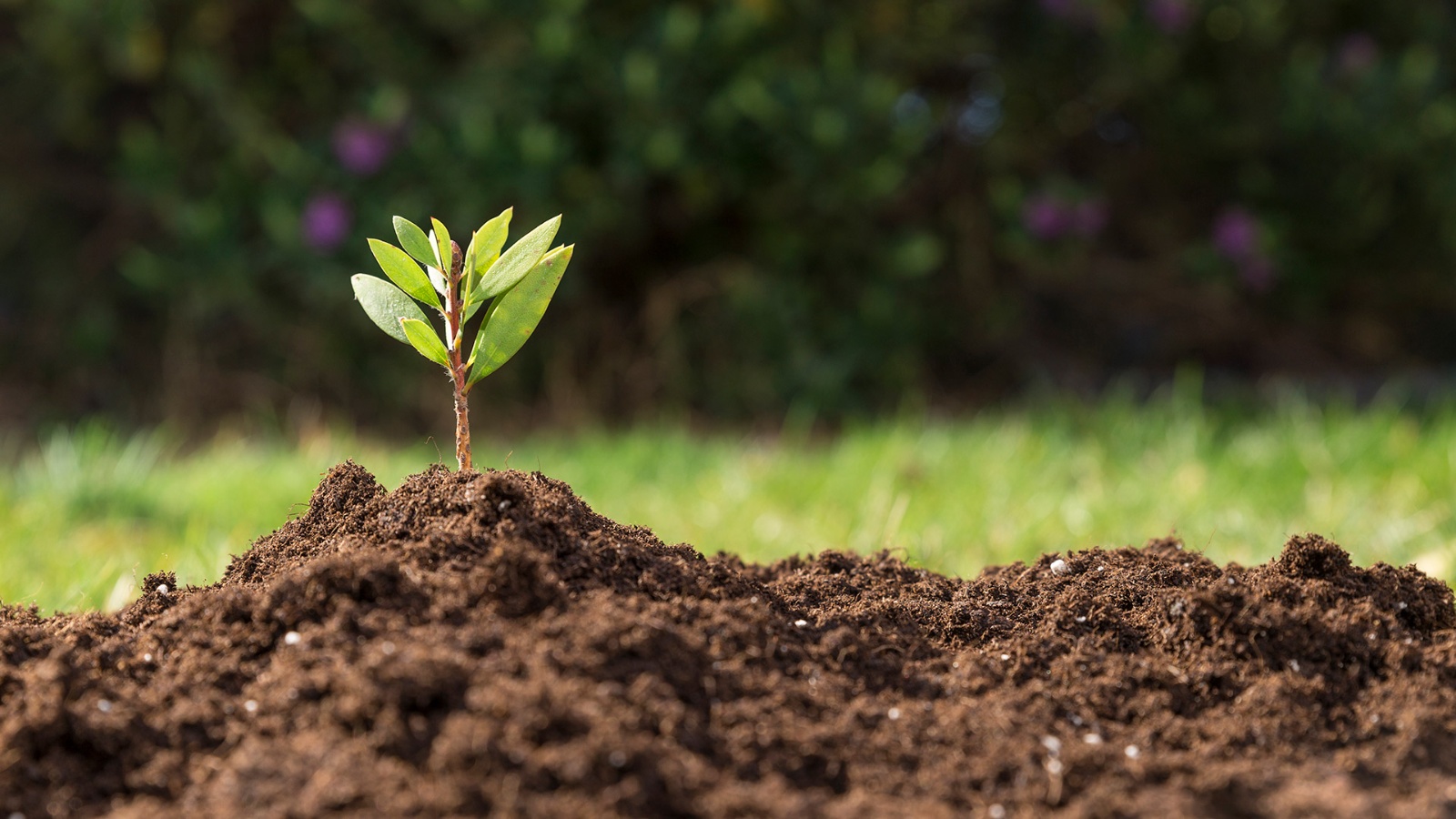
As you know, soil is a living organism. And if you just take from the soil all the time and do not return anything to it, then it is quickly depleted and ceases to nourish our plants. it’s a soil fatigue. How can you prevent it? The deputy head of the branch of the Federal State Budgetary Institution "Rosselkhoztsentr" in the Republic of Tatarstan Lyubov Zanina told about this.
The main reason for soil fatigue is the cultivation of the same plant species without replanting for many years. An imbalance of nutrients and microorganisms occurs. And plants pull the same nutrients out of the soil.
Another cause of soil fatigue is a change in its physical condition, such as compaction. Soil compaction occurs when the soil is not dug for a long time. This happens when we have been growing a perennial plant in one place for many years.
If the crop rotation is observed, soil fertility is not only restored, but also increased. Vegetables suffer more than other crops from non-compliance with crop rotation, so it is advisable to plant them in different places every year, that is, to alternate crops. Grow a tomato, cucumber in one place for no more than 3-4 years. It is permissible to grow strawberries in the same place for no more than 3-4 years, otherwise it becomes smaller and degenerates. Fruit and berry trees and shrubs can be planted in their old place no earlier than 3 years have passed since the transplantation.
Fertilizing the soil with manure or humus will help with soil depletion. Organic matter naturally transforms the structure of the soil, stimulates the vital activity of beneficial microorganisms. Digging and loosening will be helpful if the soil is compacted. Disinfection with special solutions is necessary if diseased plants have grown on this soil. Introducing biological preparations based on useful living microorganisms also cleans the soil of harmful objects.