The Tatar branch of RosAgrokhimsluzhba determined nitrogen fertilizer rates for winter crops in 2026.
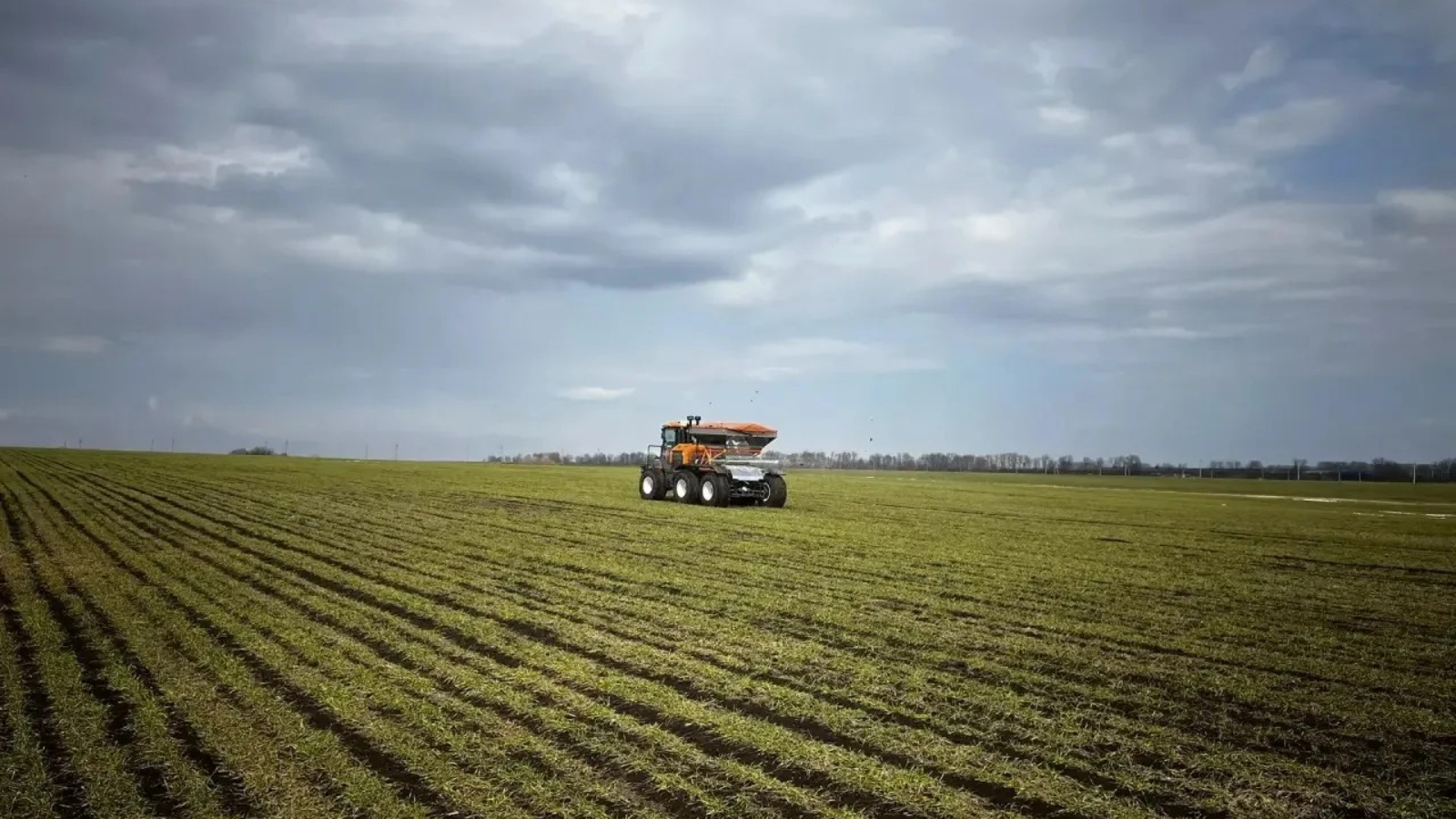
The Tatar branch of RosAgrokhimsluzhba annually monitors the republic's arable soils to assess their mineral nitrogen status. In 2026, spring nitrogen testing was conducted in two zones—the Pre-Kama and Pre-Volga regions.
Knowing the quantitative indicators of mineral nitrogen content in the soil and taking into account the influence of various factors (soil tillage, yield of the preceding crop, weed infestation, the preceding crop, and weather conditions) allows us to predict the expected yield and determine the need for additional nitrogen fertilizers to achieve the target productivity.
According to the results of soil testing performed by the branch's specialists, the total nitrogen content in the 0-60 cm soil layer ranges from 37 to 58 kg/ha. The distribution of these indicators across the studied regions is as follows:
The table clearly shows a 25-30% decrease in mineral nitrogen reserves in the soil in 2026 compared to 2025.
To achieve a grain yield of 3.5-4.0 t/ha, the optimal mineral nitrogen reserve in the 0-60 cm layer should be 110-120 kg/ha. Therefore, the estimated nitrogen fertilization rates for 2026 for these regions should range from 57 to 78 kg active ingredient/ha.
It should be especially noted that each field must be examined individually to accurately calculate fertilizer requirements. If the estimated rate is 80 kg active ingredient/ha or more, two applications are recommended.
Given the snowy conditions of the past winter (2025-2026), it can be assumed that spring nitrogen fertilization will provide a strong stimulus for the growth and development of winter crops after the resumption of spring vegetation. This will promote intensive tillering, an increase in vegetative mass, and, ultimately, a high yield.
If all agricultural practices and timing are followed, the profitability of early spring nitrogen fertilization averages 40-50%. The Tatar branch recommends using ammonium nitrate for early spring fertilization of winter grain crops. Instead of using ammonium nitrate, if possible, it is preferable to apply liquid nitrogen fertilization with KAS-32, which contains nitrogen in three forms (nitrate, ammonium, and amino), providing prolonged nutrition for up to 1-1.5 months.