Lenar Garipov: This year, spring sowing in Tatarstan will be carried out on an area of 1.7 million hectares
First Deputy Minister of Agriculture and Food of the Republic Lenar Garipov reported on preparations for spring sowing at a meeting in the Government House of the Republic of Tatarstan. The meeting was chaired by the Rais of Tatarstan, Rustam Minnikhanov. Acting Chairman of the State Council of the Republic of Tatarstan, Marat Akhmetov, participated in the meeting.
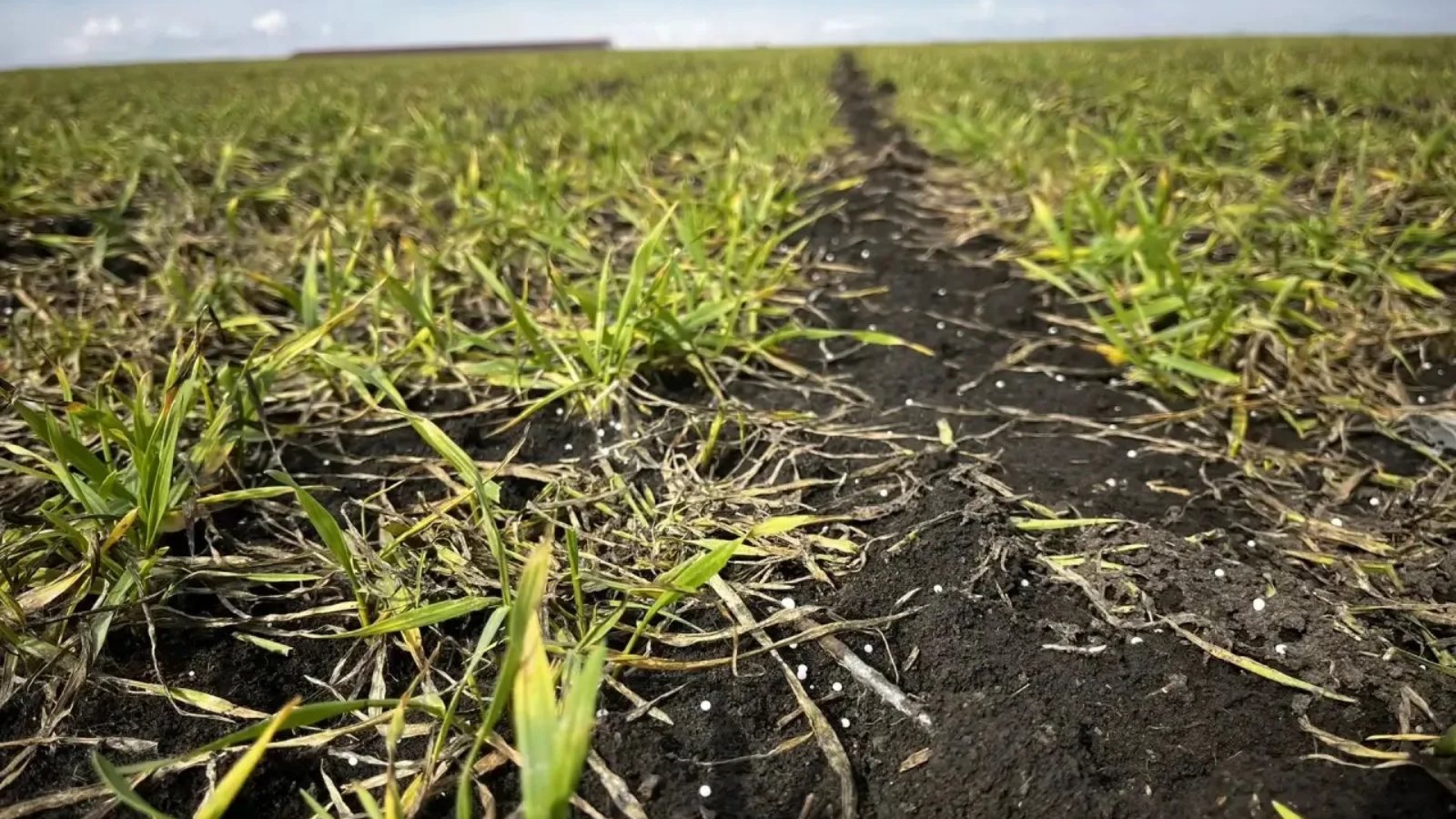
This week, farms in nine districts began fertilizing. To date, 1,323 hectares of winter crops and 595 hectares of perennial grasses have been fertilized. To ensure a smooth start and maintain yield potential, 485,000 hectares of winter crops and 309,000 hectares of perennial grasses must be fertilized within a short period of time. At a daily rate of 40,000 hectares, this will take 20 days.
A total of 395,000 tons of mineral fertilizers have been purchased for this year's harvest. This averages 67.7 kg of active ingredient per hectare of crops. Over the past two weeks, an additional 49,000 tons have been purchased, representing over 6 kg per hectare.
The supply of spring grain crops is 128%. The Rosselkhoztsentr branch has tested 250,000 tons, or over 100% of the grain crop, for seed quality. The two-week trend is up 8%. Of the required volume of purchased seeds, 91% of corn, 91% of sunflower, and 100% of sugar beets have been contracted. Seed delivery is on schedule.
Spring sowing is planned for an area of 1.7 million hectares. From March 23 to 27, in conjunction with the State Technical Supervision Service of the Republic of Tatarstan and the Russian Agricultural Center, commission inspections of the comprehensive readiness of agricultural enterprises for spring fieldwork were held in the districts. Farms in the Aktanysh, Arsky, Atninsky, Baltasinsky, Buinsky, Drozhzhanovsky, Zainsky, Kukmorsky, Leninogorsky, Tukaevsky, and several other districts demonstrated high levels of readiness.
Human resources are the primary resource for seasonal work. Farms actively collaborate with secondary vocational schools and universities. When labor shortages arise, senior students are invited. They are provided with accommodation, meals, and wages. Over 6,600 students are enrolled in secondary vocational and higher agricultural educational institutions in the republic. Currently, approximately 1,700 students are ready for practical training during the fieldwork period, of which more than 1,000 have already been assigned to farms. Lenar Garipov recalled that agricultural enterprises are entitled to reimbursement of expenses incurred for wages and accommodation: 90% for students at agricultural universities and 30% for students at secondary vocational schools.