Marat Zyabbarov reported on preparations for spring fieldwork and the state of livestock breeding.
Deputy Prime Minister of the Republic of Tatarstan and Minister of Agriculture and Food Marat Zyabbarov reported on preparations for spring fieldwork and the state of the livestock breeding industry today at a meeting in the Government House of the Republic of Tatarstan.
Rustam Minnikhanov held a videoconference meeting with all municipal districts of Tatarstan. Tatarstan Prime Minister Alexey Pesoshin participated in the meeting.
Sugar beet processing was completed last week. A total of 275,000 tons of sugar were produced, which is the same as last year. Sugar beet acreage is planned to remain at approximately 53,000 hectares. 72% of seed contracts have been signed, and 10% has been delivered to farms. The main deliveries will be made in the second half of April.
Grain seed quality testing continues. Specialists at the Rosselkhoztsentr branch have tested 220,000 tons of seed, representing 89% of the total. Of the required volume, 82% of corn and 68% of sunflower seeds have been contracted.
As for fertilizers, 49 kg of active ingredient has been accumulated to date, including fall application. Over the past two weeks, this has increased by 26,000 tons, or 5 kg of active ingredient per hectare.
Marat Zyabbarov then discussed the progress of dairy farming. By the end of 2025, all farm categories in Russia had produced 34,207,000 tons of milk, with an increase of 172,000 tons. This includes 2,378,000 tons in the republic, an increase of 90,000 tons. In other words, 52% of the country's milk increase was accounted for by farms in Tatarstan.
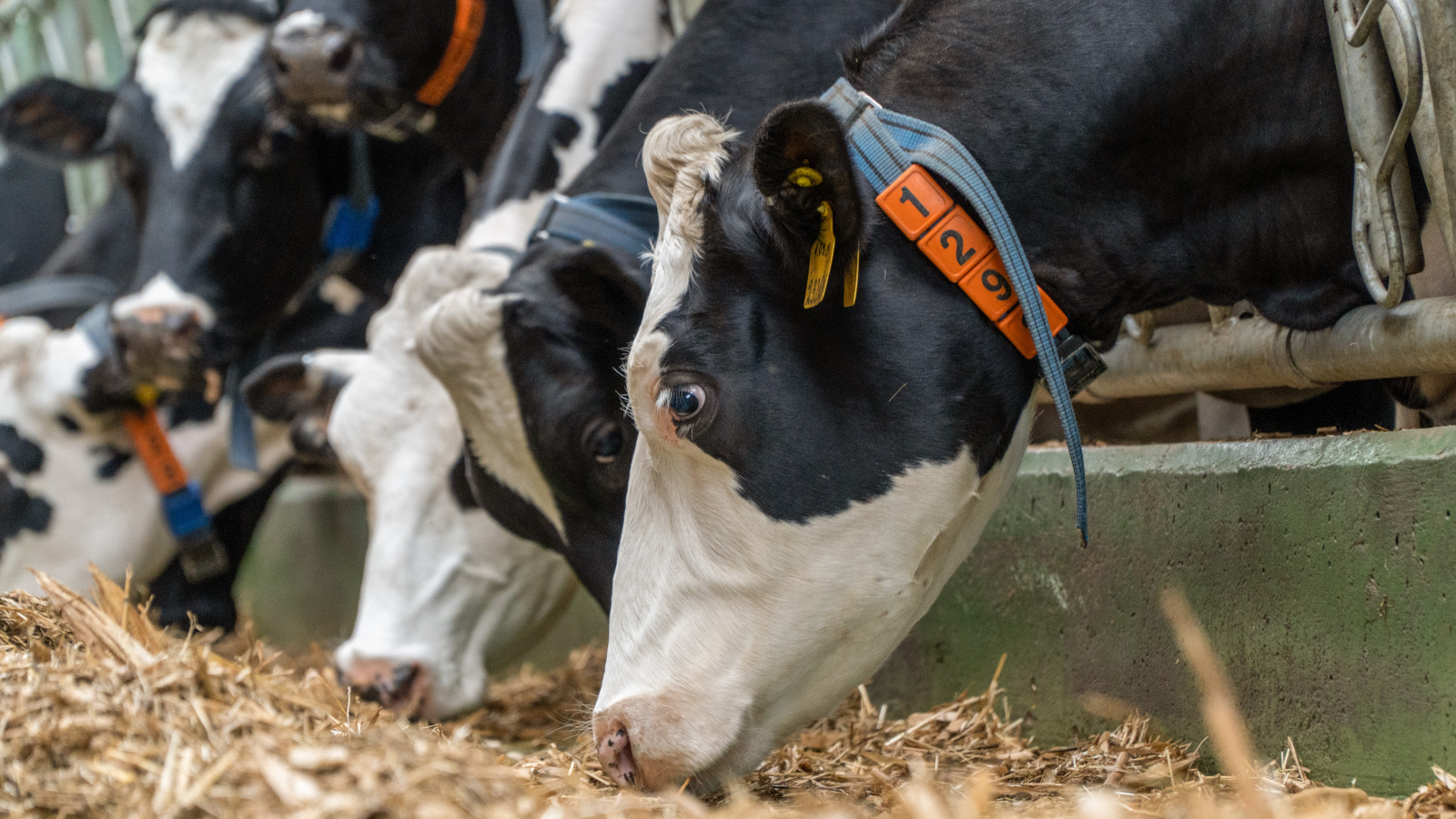
The republic is home to the largest herd of pedigree dairy cows in the country, totaling 74,560 head. The cow population increased by 8%, or 6,100 head, in 2025, and accounts for one-third of the entire dairy herd of the republic's agricultural enterprises. Over the past five years, the number of pedigree cows has increased by 14,000 head. The largest herd growth in 2025 was achieved by the farms APC Prodprogramma, Soyuz Agro, Unysh, Vakhitovo, and the Vamin dairy association.
One indicator of the effectiveness of breeding work is the productivity of the dairy herd. On average, the milk yield per cow across breeding farms in 2025 was 10,398 kg, an increase of 5% and 1,525 kg higher than the national average. At the same time, productivity has increased by 29%, or 2,336 kg, over the past five years.
The animals have a fairly high genetic potential. A solid foundation has been laid for this. Since 2020, 30 high-tech dairy complexes with a capacity of 28,000 animals have been built at breeding farms. Further improvements in breeding efficiency are possible through modern breeding methods, particularly genomic selection. In 2025, three farms began this work, genotyping 5,450 young animals. This year, the research is planned to double. For this purpose, the federal ministry has introduced a subsidy for breeding farms, which provides reimbursement of up to 70% of laboratory testing costs. The Russian Ministry of Agriculture also provides a subsidy for the maintenance of breeding stock.
In conclusion, the minister announced that the annual spring agricultural fairs will resume on March 14 and run until April 26. As usual, they will be held at 14 venues in Kazan, three in Nizhnekamsk, two in Naberezhnye Chelny, and two in Zelenodolsk.