State monitoring of grain in Tatarstan: how it helps exports and farmers
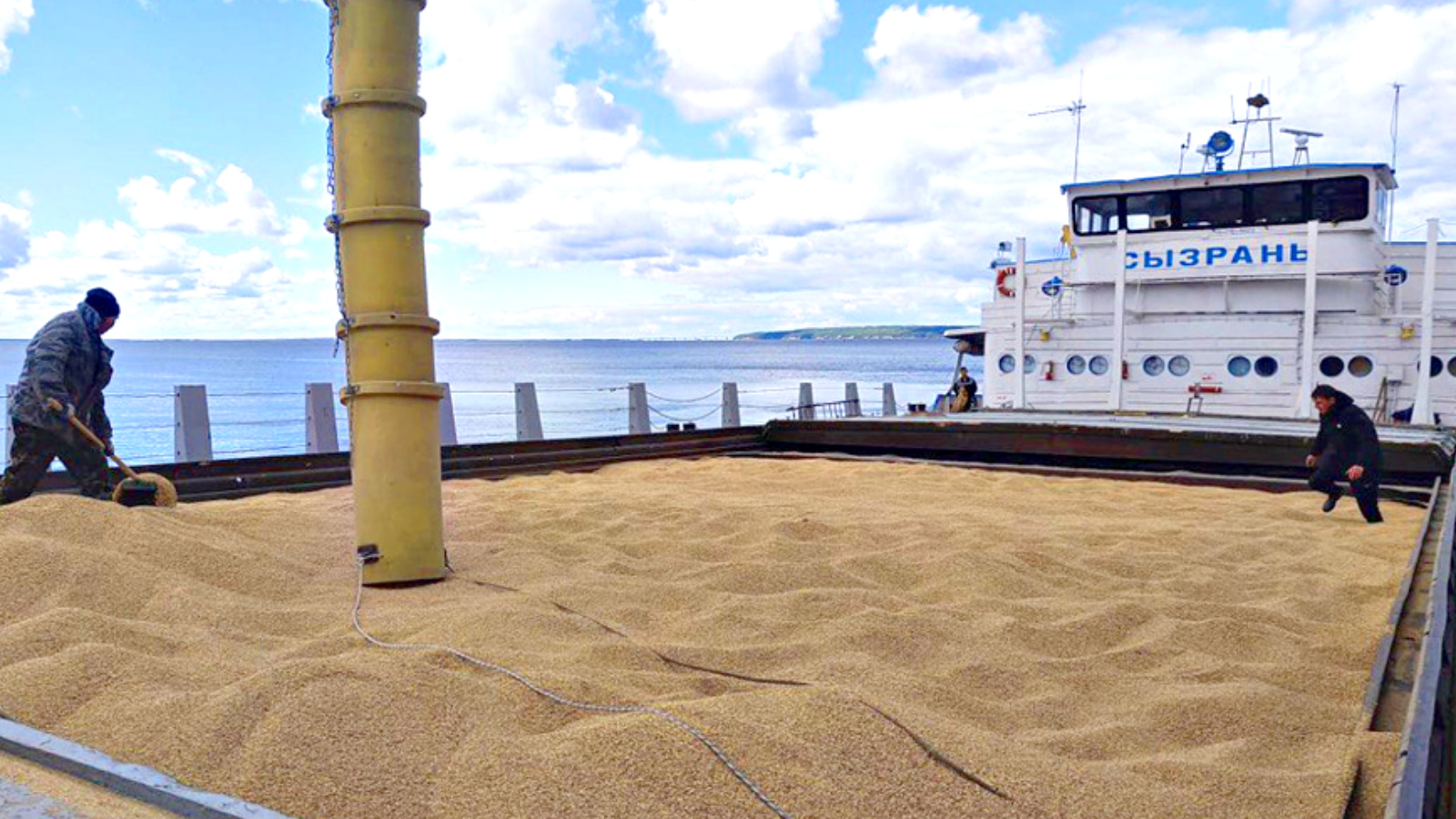
The Tatar-inform news agency discussed new export directions for grain this year, promising sales markets, quality characteristics of the new wheat harvest, as well as the tasks of state monitoring of wheat.
The participants of the event noted that the Republic of Tatarstan continues to strengthen its position in the international agricultural market, supplying grain and its processed products to 13 countries of the world, including Iran, Turkey, the EAEU, the CIS, Transcaucasia, China and Europe. Every year, the number of exporters increases and the export potential of Tatarstan is growing thanks to the national project "International Cooperation and Export".
Since the beginning of the current year, Tatarstan has already exported about 40 thousand tons of grain, including 16 thousand tons of food wheat, and direct export of plant products exceeded 116 thousand tons.
"In addition to grain, Tatarstan exports feed products, products of animal origin, such as mayonnaise, dry milk, ice cream, cheeses and butter," said Airat Tazetdinov, Deputy Head of the Federal Service for Veterinary and Phytosanitary Surveillance in the Republic of Tatarstan.
The growth of exports is facilitated by state monitoring of wheat, which allows farmers to determine ways to optimally use the crop based on data on its quality obtained from an accredited laboratory of the branch of the AIC CSC in the Republic.
"To date, over 1.8 million tons of grain have been harvested in Tatarstan, including 1.3 million tons of wheat. The research results showed the following distribution of wheat by class: class 3 - 12%, class 4 - 36%, class 5 - 52%. Despite the negative impact of weather conditions, we expect improvement in the final indicators by the end of the year,” said branch director Tatyana Menlikieva.
Specialists at the AIC CSC examine grain in accordance with GOST 9353-2016 “Wheat. Technical conditions” for 19 quality indicators: nature, protein, gluten, falling number, vitreousness, humidity, weed, grain and harmful impurities, infestation and contamination. Grain damaged by the turtle bug is also identified.
The final results of the research into the consumer properties of grain from the 2025 harvest will be summed up at the end of the harvesting campaign.