How to attract plant protectors to your garden?
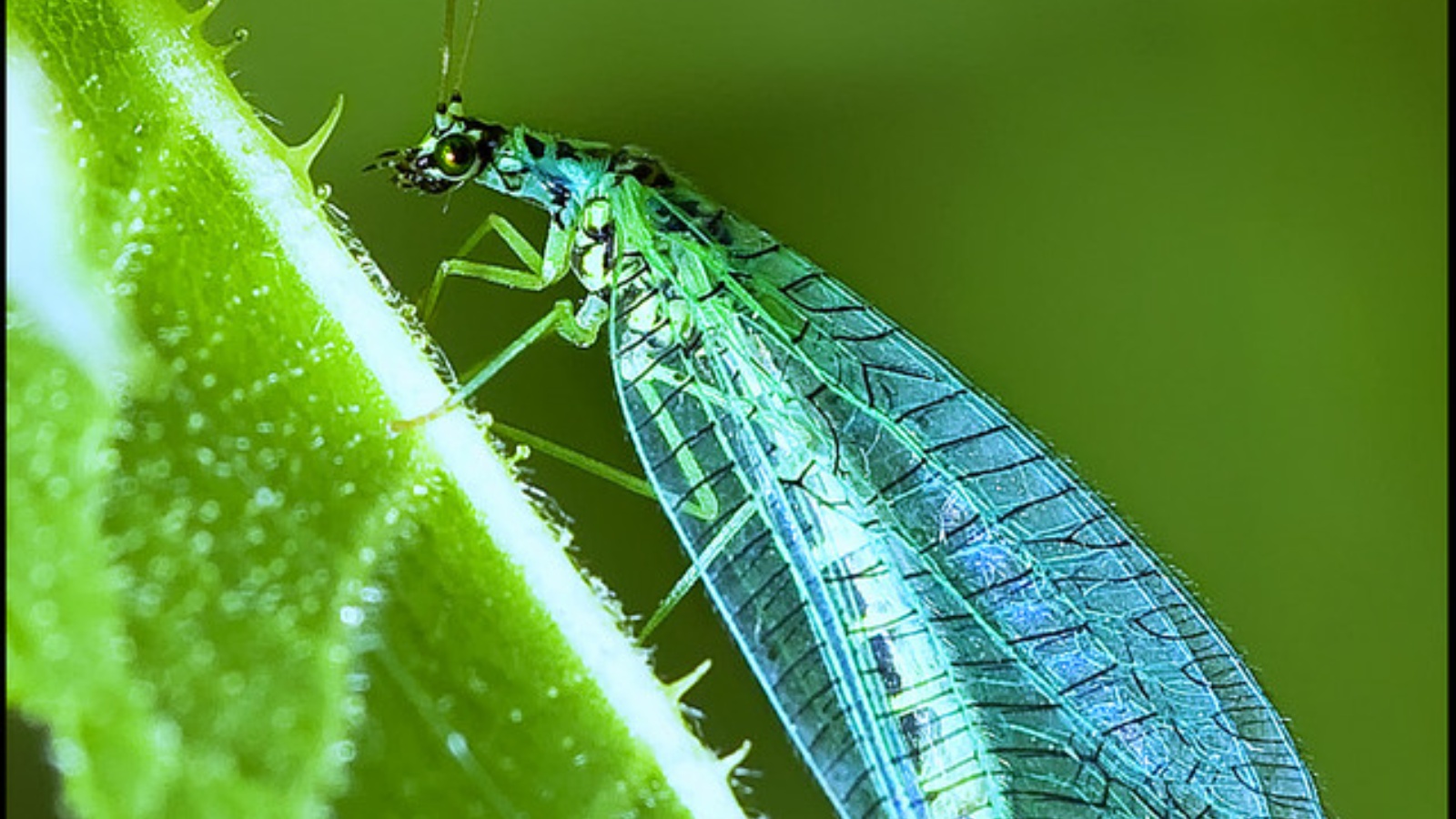
Where do entomophages live most of all, how to create favorable conditions for the activity of these beneficial insects? This is told by Lyubov Zanina, deputy head of the branch of the Federal State Budgetary Institution Rosselkhoztsentr in the Republic of Tatarstan.
In nature, harmful and beneficial insects (entomophages) are in balance. The second eat the first and thus prevent them from multiplying uncontrollably. At the same time, entomophages never completely destroy pests, leaving a reserve for their food. It is this principle that is laid down in nature: harmful insects exist, but in an acceptable amount, in which they do not cause significant harm to plants.
Entomophages live most of all where spruce, pine, linden, willow, bird cherry, alder, viburnum, elderberry, maple, elm, willow, birch grow. To attract beneficial insects, they can be planted along the edge of the garden. Favorable conditions for the activity of entomophages are created in gardens with turf (continuous grass cover). Their reproduction is also facilitated by the sowing of nectarifers and perennial leguminous grasses, especially during their periodic mowing, when useful insects move to the crowns of fruit trees and shrubs in search of food.
To attract beneficial insects, it is necessary to sow nectariferous plants: mustard, parsley, thyme, phacelia. Dill, celery, cumin, coriander and others are also suitable. It is necessary to plant flowering plants in such a way that during the entire summer period they bloom and attract beneficial insects with their aromas, even in a remote distance.
The ability to attract beneficial insects is possessed by many types of legumes, for example, clover, vetch. They provide beneficial insects with constant food and moisture, and also enrich soil with nitrogen.