Top 10 tips on keeping cows in the heat from the Ministry of Agriculture and Food of the Republic of Tatarstan
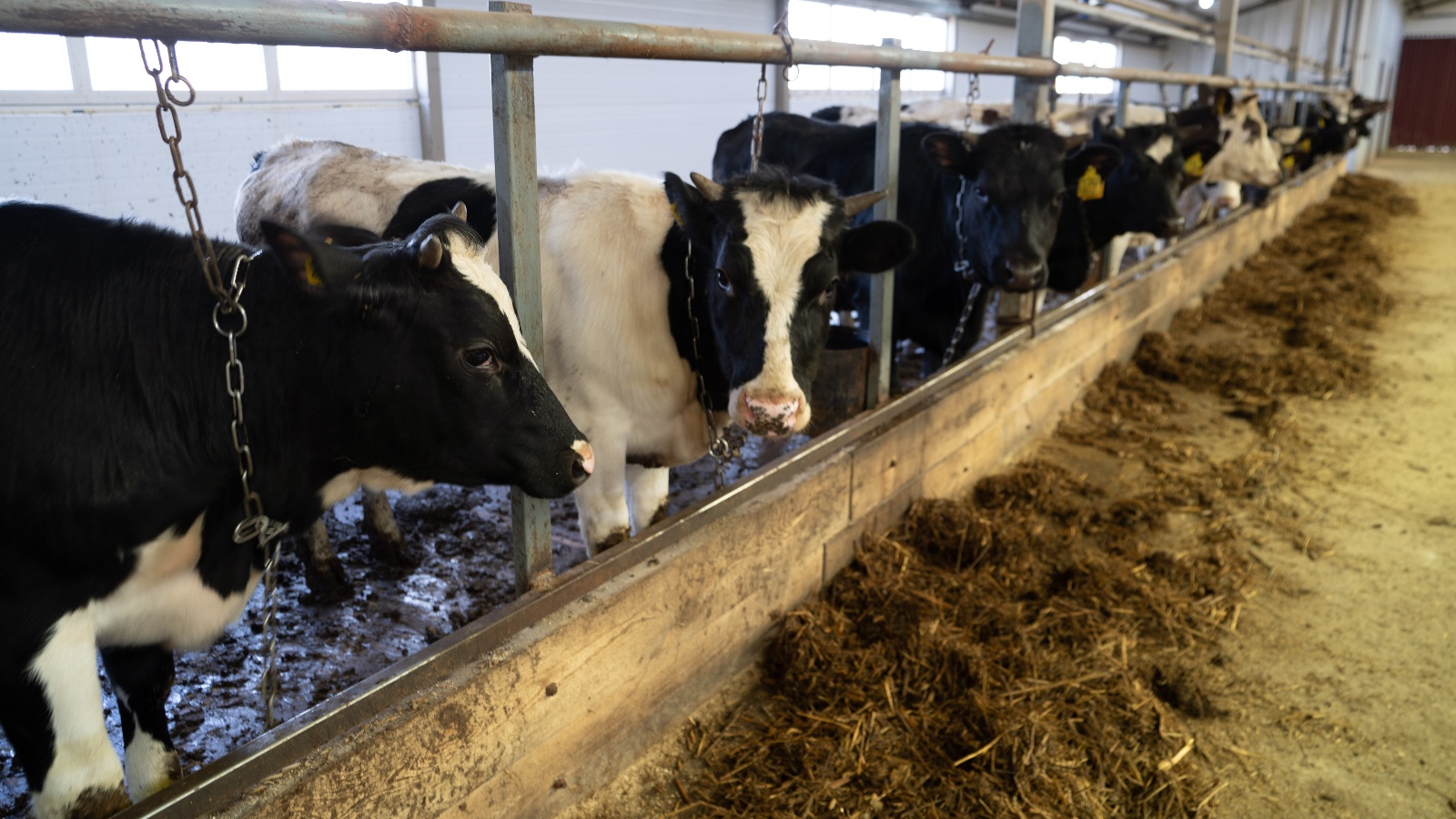
The weather in Tatarstan is quite hot, so the Ministry of Agriculture and Food of the Republic of Tatarstan has prepared basic rules for keeping animals in the heat.
1. Special attention should be paid to watering of animals. So, water is the most important nutrient for cows in summer. It is water that helps to cool a cow and improve feed intake. It is necessary to ensure constant access to fresh, clean and cool water, especially after milking.
The cows' water demand doubles at a temperature of about 27 degrees.
2. The drinkers should be washed regularly and positioned in a way to encourage cows to drink water.
3. Watering troughs should be placed in shade. You can install automatic drinkers, such as inexpensive float systems to maintain water availability.
4. It is very important to control the feed intake of animals, since the greatest limitation of milk productivity at high air temperatures is sufficient feed intake. Its reduction means that density of all nutrients in the diet should be increased in order to preserve malnutrition.
You can increase the proportion of mineral feed and feed salt in the diet by 10%, since heat stress provokes severe sweating and electrolyte imbalance. Also, additionally introduce antioxidants (organic selenium, vitamins E, C and carotenoids) into the diet to reduce the oxidative processes in the body.
5. In order to minimize the formation of heat, most of the feed should be fed in the cool of the day. For example, between 4-6 a.m. and 9-11 p.m.
6. Cool and fresh food is eaten more.
7. Over the pens, you should pull shade curtains and make canopies to avoid being at direct sunlight.
8. Multiple fans can be used to stimulate heat transfer in animals. However, this method can only be used in low humidity conditions.
For example, slow fans with a diameter of 1.2-1.5 m are recommended to be installed in a row parallel to the feed aisles and sun beds, as well as in the waiting area in front of the milking parlor, at an angle of 10-15° at a height of 2.7 m. Providing forced air movement at a speed of 1.3 m / s allows you to reduce the room temperature by 3.3 °C, and at a speed of 2.5 m/s - by 5.6 °C.
9. Also open the gates, doors, side walls, if possible, the ventilation holes on the roof and the perforated plates on the gables for additional ventilation.
10. Do not drive animals in the heat, if it is not necessary.