Energy tariffs remain the urgent problem for agricultural producers: Marat Zyabbarov proposed a specific solution
A specific solution to the problem of tariffs for electronic carriers for farmers was proposed today at a republican meeting in the Government House of the Republic of Tatarstan by the Deputy Prime Minister of the Republic of Tatarstan - Minister of Agriculture and Food of the Republic of Tatarstan Marat Zyabbarov.
The President of the Republic of Tatarstan Rustam Minnikhanov held a videoconference with all municipal areas.
“Tariffs for energy carriers remain an urgent problem for agricultural producers. For March of the current year, the average cost for consumed electricity amounted to 7.07 rubles / kWh. and the dynamics are observed only upward, ”said Marat Zyabbarov and immediately proposed a solution that will not become an additional burden for the republic’s budget in today's difficult economic conditions.
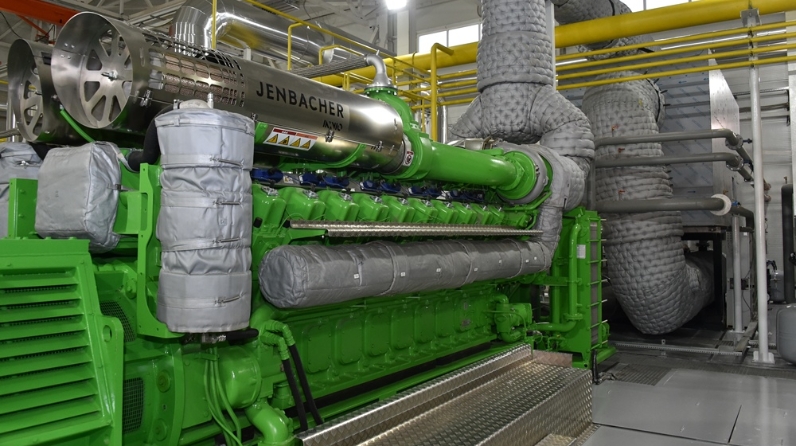
The head of the Ministry of Agriculture of the Republic of Tatarstan stated the need to switch to cheaper alternative sources, acquiring gas-piston power plants. Three power units from 20 gas piston units with capacity 67 MW in the Maysky shopping center generate electricity with a cost price of 3.49 rubles per kWh. “This tactic is the way to successful management in modern price realities,” summed up Marat Zyabbarov and gave several more examples.
KAMAZ Production Components LLC has mastered the production of gas piston power plants in the power range of 60-1500 kW, the estimated cost there is 2.92 rubles.
For example, cooperative “Salman” of the Alkeevsky district, which consumes more than 732 thousand kWh of energy per year, for 5.1 million rubles, was able to save 3 million rubles a year. The payback period of the project is 2 years.
“Biosphere fish” of Laishevsky district in July this year will launch two such gas-piston installations of 200 kW each. According to preliminary calculations, the cost of electricity should be up to 2.6 rubles per kWh.
“First of all, it needs to be introduced in greenhouses and livestock farms, where the secondary heat of the cooler can be used for heating," said the head of the agricultural department.