To help a village resident in summer: the necessary works
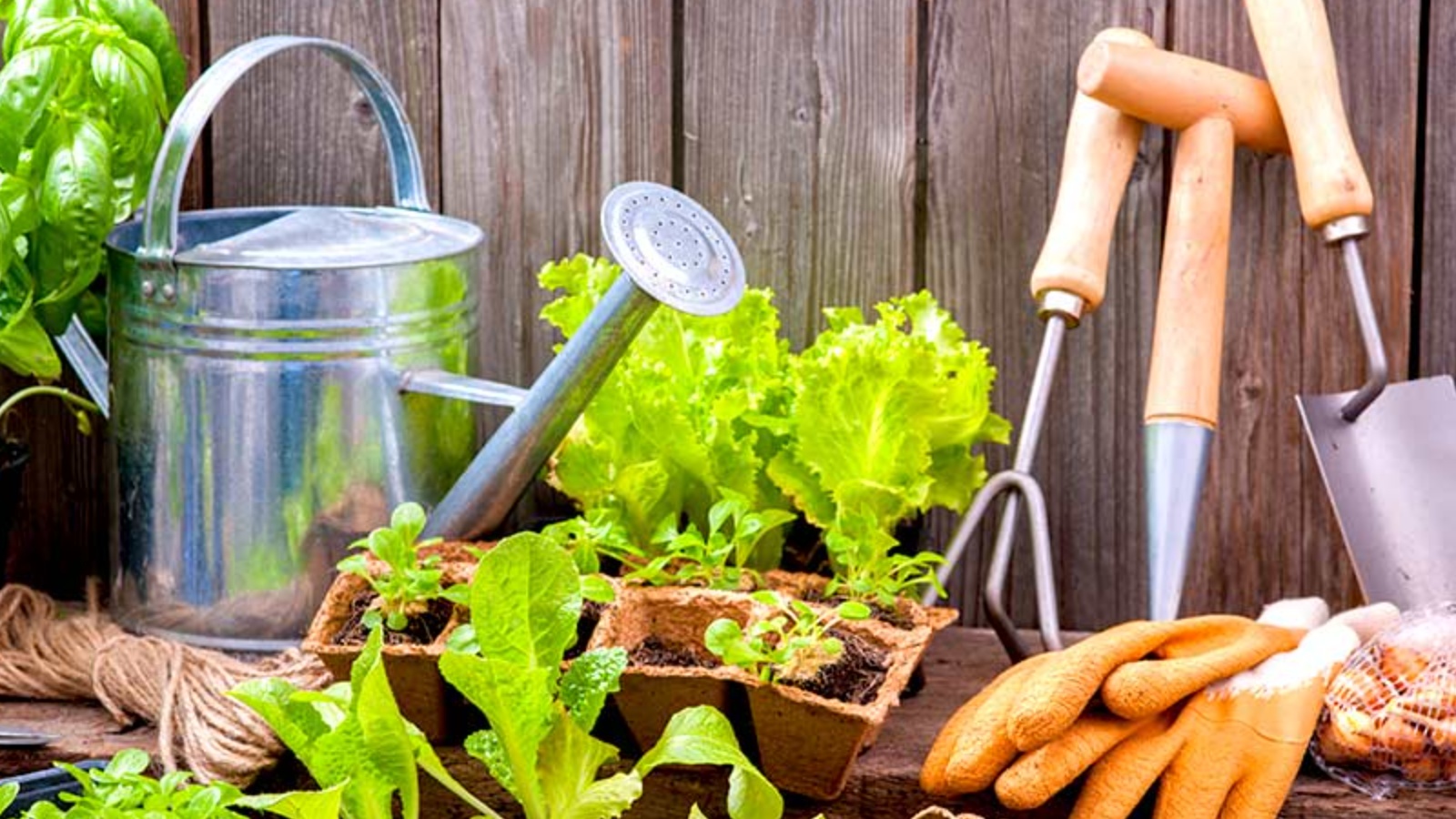
The Ministry of Agriculture and Food of the Republic of Tatarstan informs that specialists of the branch of the Rosselkhoznadzor for the Republic of Tatarstan have prepared information on what works should be performed in the middle of summer on suburban and household plots in order to get high yields of vegetable and fruit and berry crops.
The main works on the suburban area in July:
Watering, complex fertilizing
Strawberry weeds: propagation by seeds, whiskers, watering, fertilizing
Potatoes: hoeing, control of harmful objects
Tomato: pinching the tops
Pepper: pinching the tops, fertilizing
Formation of lashes of cucumbers, melons, watermelons, pumpkins
Control of harmful objects in all cultures
Collection of medicinal plants: mint, thyme, plantain, chamomile, etc.
Disinfection and cleaning in storages (cellar, storerooms) before laying a new crop.
For each crop in July, it is necessary to carry out fertilizing. As an organic fertilizer, it is recommended to use a solution of bird droppings in water (1: 25) or mullein (1:10), an infusion of mown herbs, an infusion of ash – one glass per 10 liters of water.
At this time, an aphid pest is observed on many plants and trees. Aphids can be combated with the help of an ash-soap solution, decoctions of tobacco, celandine and wormwood, as well as infusions based on garlic, horseradish and dandelion. In addition, you can plant lavender, mint, lemon balm and mustard in the garden, the smell of which will scare away the pest.
Also, the fight against garden ants and aphids with the involvement of their natural enemies gives good results. These can be:
Birds. Here, the starling, tit, rook, and swallow will bring the greatest benefit. At the same time, the planting of mountain ash, equipping the garden with feeders, contribute to the preservation of the population of wintering individuals.
Useful insects (babblers, ladybug, golden-eyed, earwigs). Attracting them can lead to a significant reduction in a number of pests without the use of chemicals. The favorite habitats of flying entomophages are umbrella plants (carrots, fennel), as well as flowers of yellow and orange tones. Flowers are planted next to berry bushes, fruit trees, on grass lawns. There must be marigolds, tansy, garden buckwheat, calendula.
These measures will not lead to the complete destruction of pests, but a reasonable balance between useful and harmful insects will save the crop.
In the middle of summer, the most dangerous pests and diseases are activated. In nightshade crops (tomatoes, eggplants, potatoes and peppers), this is the Colorado beetle and late blight. Cabbage suffers from attacks of cruciferous fleas, cabbage flies, scoops and whiteflies, gets sick with an insidious keel. The malicious pest of cucumber is a spider mite, and the disease is anthracnose. To successfully combat harmful objects, it is necessary to use biological agents weekly: biofungicides-Pseudobacterin, Rhizoplan, Phytosporin, etc.; bioinsecticides – Biostop, Bitoxibacillin, Phytoverm, Lepidocide, etc. A good effect is given by the release of entomophages: goldeneye, gabrobragon, podizus, macrolophus, etc.
To re-harvest some vegetables, herbs, legumes, you need to sow them in July.
Dill is sown every 15-20 days all summer.
The record holder for maturation is watercress. The greens will appear in two weeks. Lettuce grows a little longer – about a month.
Find a place for spinach as well. Soak the seeds in water for a couple of hours, sow and wait for seedlings in a week. And in two weeks, the crop will be ready for use.
Arugula seeds will rise on the 5th-6th day.
Parsley and leeks planted in the middle of summer will delight you with greens at the end of the season. And next spring they will continue their growth, having risen earlier than other crops.
Radishes can also be sown in July (and even later) with an interval of two weeks. The daylight becomes shorter, but the root crops will still grow juicy and tender if there is enough nitrogen in the soil.
The daikon sown in July and harvested in October is perfectly stored and will not lose its freshness until March.
In July, it is not too late to plant legumes: peas and beans also ripen quite quickly. In addition, all these crops are cold-resistant.
* Perennial crops that are sown in the middle of summer: sorrel, rhubarb, onion (slizun, batun, schnitt).
To care for fruit trees, it is necessary to carry out the following works:
If dried branches have become noticeable on fruit trees, start sawing them out.
Treat apple and pear trees from scab, cherries - from coccomycosis. Protect the plum from the slimy sawfly and hole spotting.
If there is an abundant amount of fruit on apple trees, pears and plums, install special supports that will save the branches from breaking.
In the second half of July, feed the trees that lay fruit buds for the future harvest.
In dry weather, be sure to loosen the soil under the trees, destroy weeds. It is not necessary to loosen deeply, as it can damage the upper roots of trees. It is very useful to mulch the trunk circles in the heat to preserve moisture and create conditions for the reproduction of earthworms and microorganisms that create humus.
Inspect the raspberry bushes every day. To prevent the berries from rotting, remove them immediately as they ripen.
The harvest of black currants is also harvested based on the maturity of the berries.
Remember that ripe fruits do not hang for very long and can quickly crumble. This does not apply to white and red currants. The berries of these shrubs hang firmly on the branches for up to 30 days.